Common NFL Betting Mistakes UK Punters Make
 Available in US
The Errors That Keep Giving the Bookmaker an Edge
I have been analysing NFL odds for UK markets for the better part of a decade, and in that time I have made most of the mistakes listed in this article. Some of them I made more than once before the lesson stuck. The difference between experienced bettors and beginners is not that the experienced ones never err — it is that they recognise the patterns, adjust their process and stop repeating the same costly habits.
The mistakes below are not obscure or theoretical. They are the everyday traps that drain bankrolls week after week across the NFL season, and every one of them is avoidable with a small amount of discipline and self-awareness.
Chasing Losses After a Bad Week
Sunday evening after a losing slate of games is the most dangerous moment in an NFL bettor’s week. The temptation to chase those losses on the Sunday Night Football or Monday Night Football game is powerful, and it is almost always counterproductive. Chasing losses means placing a bet primarily to recover what you have already lost rather than because you have identified genuine value — and that distinction matters enormously.
The Gambling Commission’s 2025 survey of young people found that 30% of those aged 11-17 had spent their own money on some form of gambling in the previous twelve months. While that statistic covers all forms of gambling, the behavioural pattern it highlights — impulsive participation without full awareness of consequences — echoes the mindset of a bettor chasing losses. The decision is driven by emotion rather than analysis.
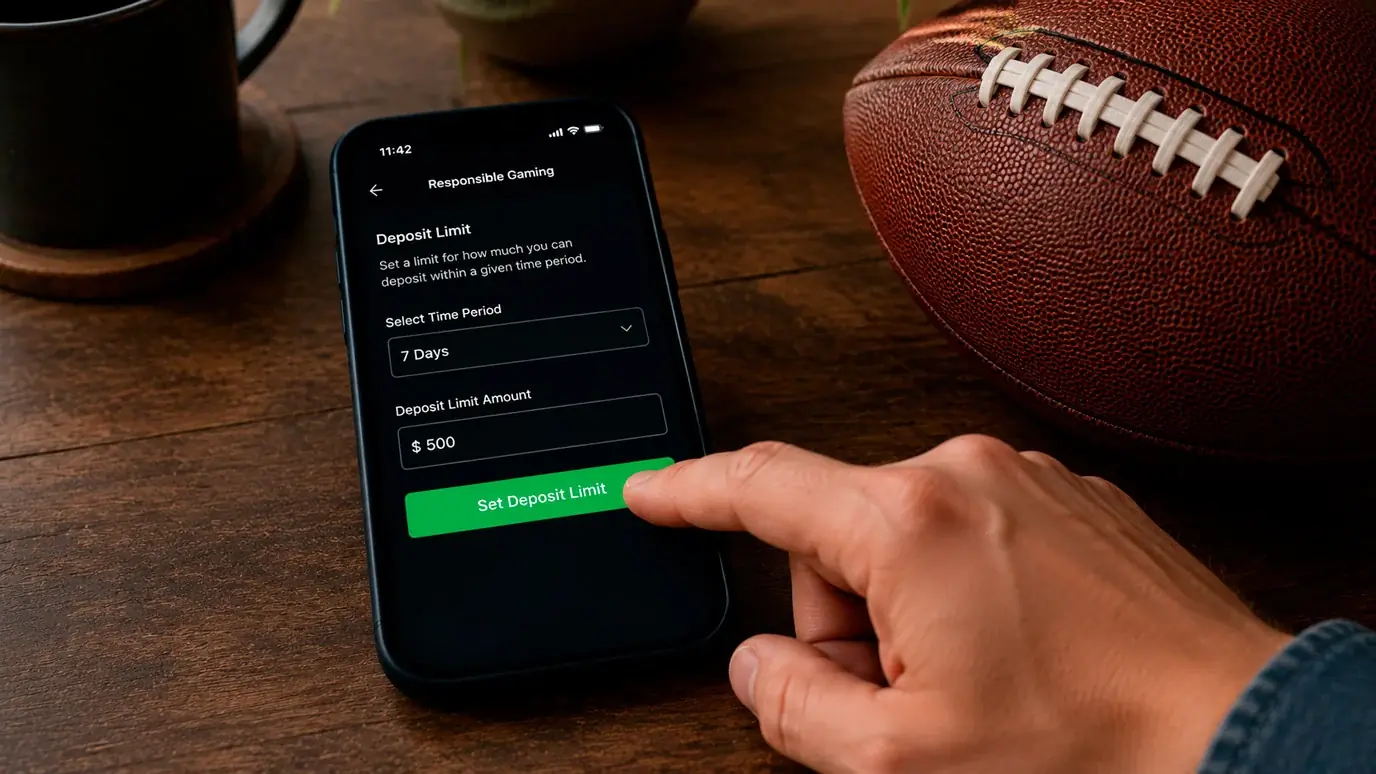
The antidote is simple in principle but difficult in practice: set a weekly loss limit and stick to it. If you reach your limit on the Sunday afternoon slate, your betting week is over. The Monday night game will be played whether you bet on it or not, and there will be another full slate the following Sunday. No single game is worth breaking your staking discipline, no matter how strong you feel about the matchup after three hours of frustration.
The Accumulator Trap
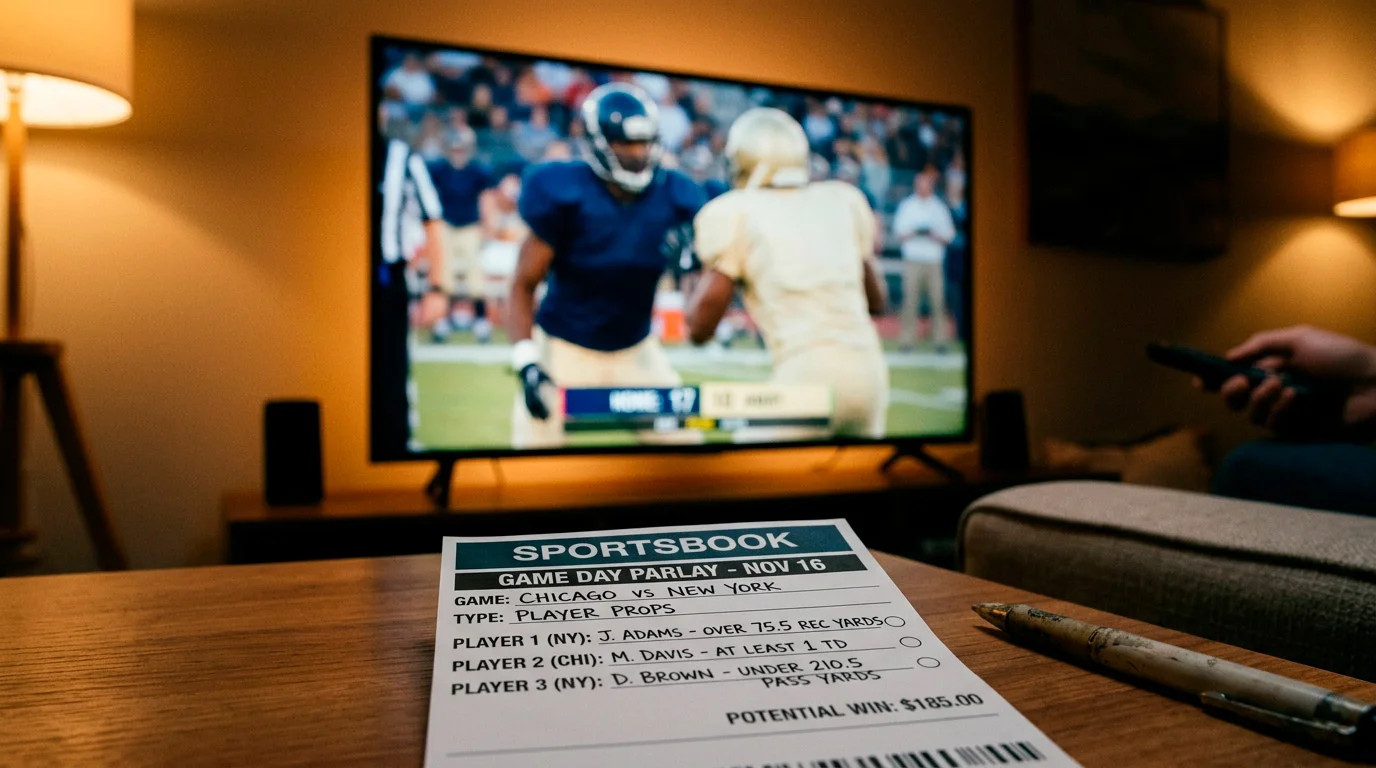
Accumulators are the most popular bet type among recreational UK punters, and they are also the most reliably profitable product for bookmakers. The reason is mathematical: every leg you add to an accumulator multiplies the bookmaker’s margin alongside the potential payout. A four-leg acca at 10/11 per leg carries a combined bookmaker margin that is roughly four times the margin on a single bet.
This does not mean you should never place NFL accumulators. It means you should understand what you are paying for them. If you construct a six-leg accumulator every Sunday as a matter of routine, you are giving the bookmaker a structural edge that dwarfs the edge on any individual selection. A more disciplined approach is to limit accumulators to two or three legs, focus on selections where you have a genuine analytical edge, and treat the acca as a supplementary bet rather than the centrepiece of your weekly strategy.
Acca insurance promotions can mitigate the risk slightly, but they do not eliminate it. An offer that refunds your stake if one leg lets you down is valuable, but only if you would have placed the accumulator anyway based on your analysis. Using acca insurance as justification for adding a speculative extra leg defeats the purpose.
Betting on Names Instead of Numbers
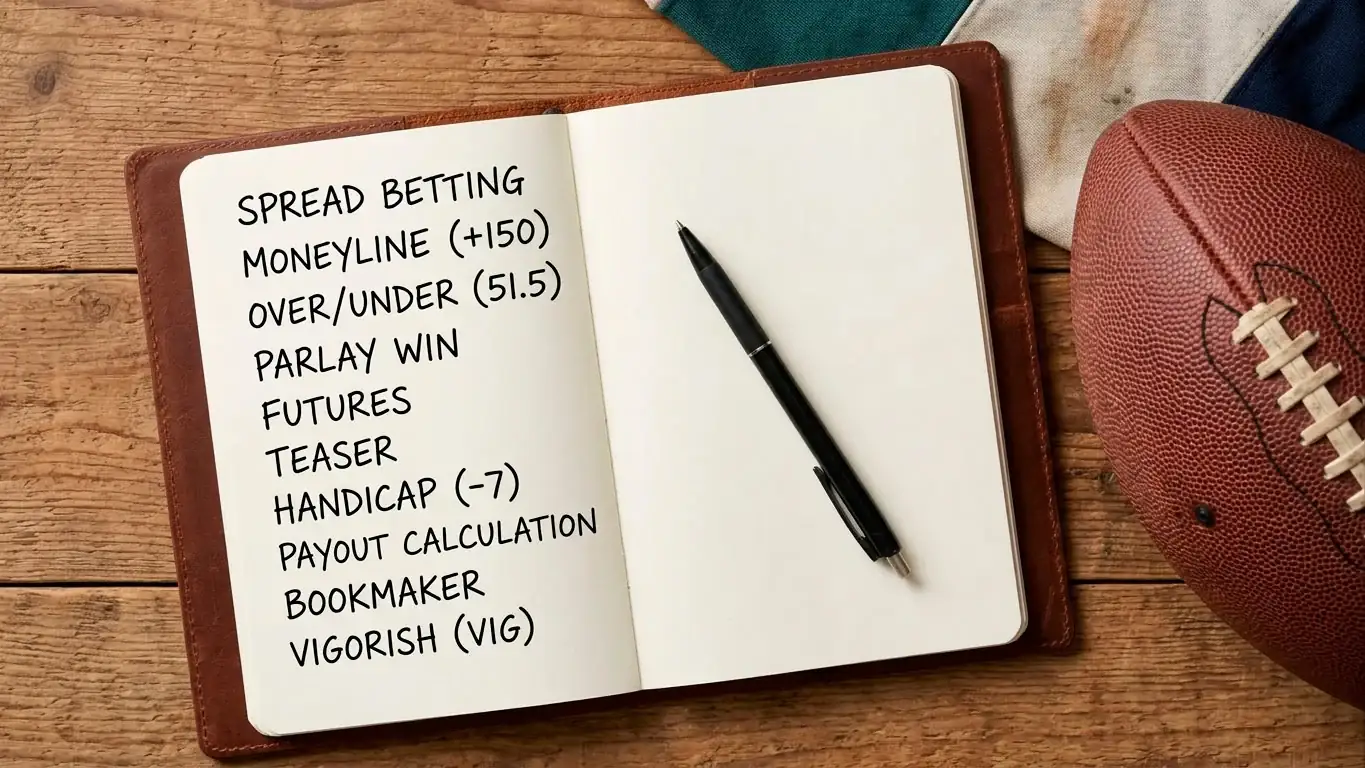
Point spreads are the preferred bet type for 61% of NFL bettors, yet many punters select their spread bets based on team reputation rather than the data that actually predicts outcomes. Backing a prestigious franchise because they “should” beat a lesser opponent ignores the reality that the spread already accounts for the talent gap. The bookmaker knows which team is better — the question is whether the line accurately reflects how much better.
This mistake manifests in several ways. Bettors overvalue teams coming off a high-profile win, particularly in the playoffs, and undervalue teams that lost ugly in a context that was unlikely to repeat. They overreact to quarterback names — assuming that any team led by a marquee signal-caller will cover the spread — and ignore the offensive line, defensive scheme and special-teams quality that often determine close games.
The correction is to build your process around metrics rather than narratives. EPA per play, success rate, DVOA and red-zone efficiency are publicly available for every NFL team and provide a more accurate picture of team quality than win-loss records or media perception. When the numbers disagree with your instinct, trust the numbers — or at least investigate the disagreement before placing the bet.
Over-Relying on Free Bet Promotions
Free bets and welcome offers are a genuine benefit for NFL bettors, but they can distort your decision-making if you allow them to drive your betting activity. A survey by YouGov found that 65% of UK bettors would refuse to provide detailed personal financial documentation if it became a condition of continued betting — a figure that suggests punters value their autonomy and are resistant to friction. Yet many of those same bettors will sign up with a bookmaker solely because of a free bet offer, without evaluating whether the operator’s odds, markets and long-term value justify the relationship.
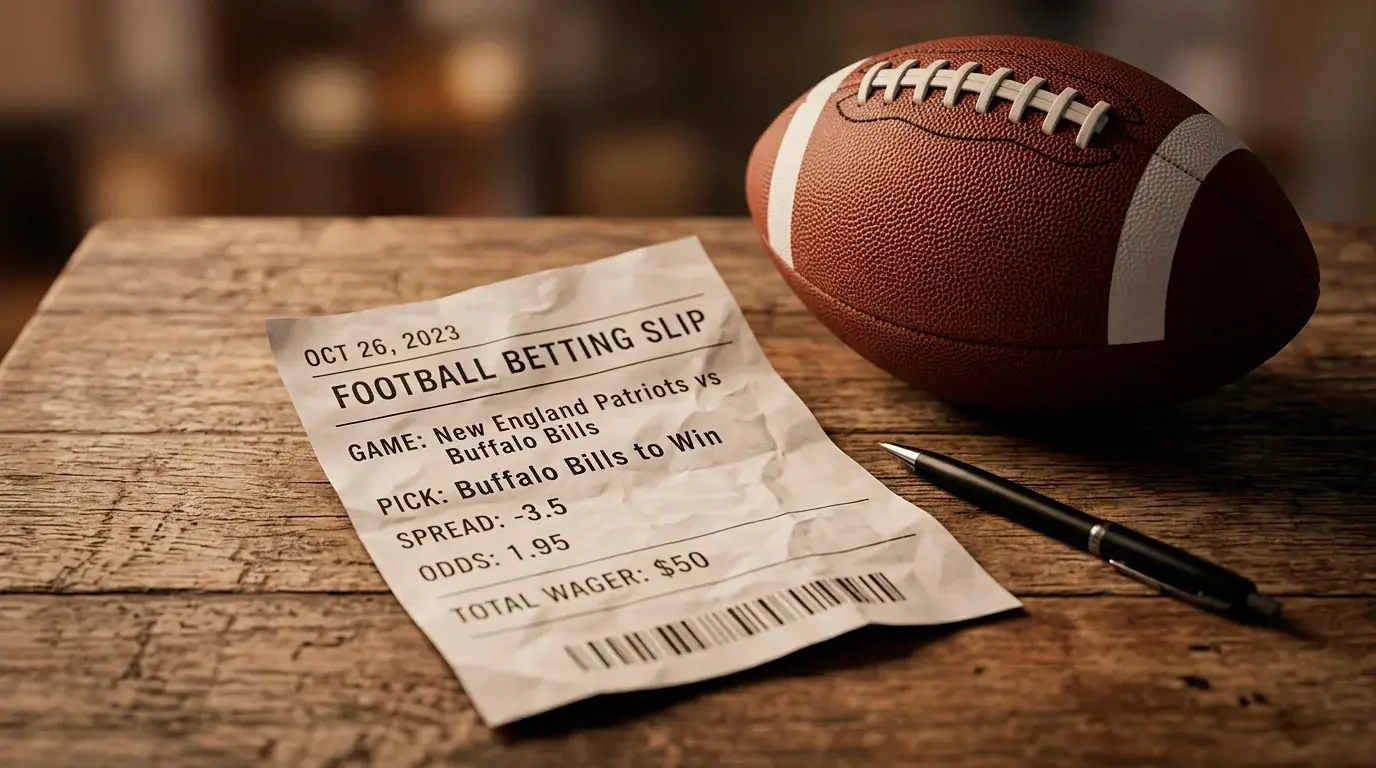
The mistake is treating free bets as the primary reason to bet rather than as a bonus on top of sound selections. If a welcome offer requires you to place a 10-pound qualifying bet at minimum odds of 1/2, and you do not have a genuine selection you would back at those odds, the free bet has cost you ten pounds in exchange for a promotional credit that may return less than its face value once wagering requirements are applied.
A healthier approach is to evaluate bookmakers on their core offering — odds quality, market depth, mobile functionality and customer service — and treat the welcome offer as a pleasant addition. If two bookmakers are equally strong on fundamentals and one offers a better welcome bonus, that is a reasonable tiebreaker. But opening an account at a substandard operator simply because they are offering an extra ten pounds in free bets is a false economy. For practical strategies that complement this mindset, the NFL betting tips guide covers line shopping, bankroll discipline and situational analysis.
Written by the editors at Free nfl Bets.